
The Power of Color: Why Color Palettes Matter in Design
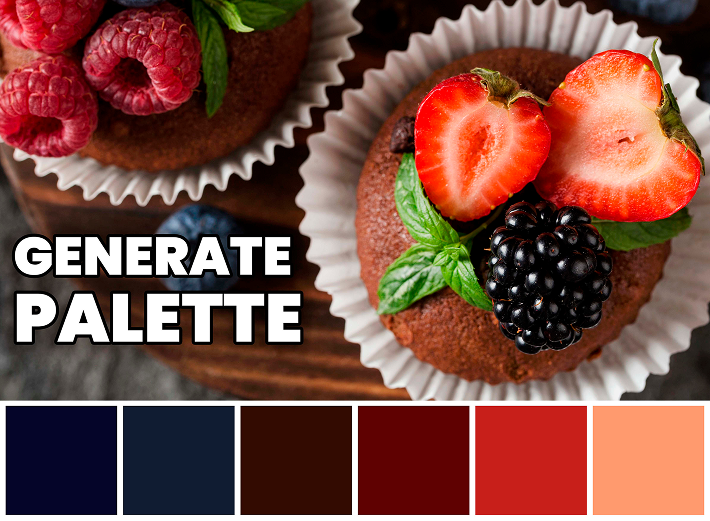
Color is one of the most powerful tools in design. Before users read a word or interact with a feature, they feel the colors. A well-chosen color palette doesn’t just make a design look good—it shapes perception, communicates meaning, and builds emotional connections with users.
From global brands to small startups, color plays a key role in recognition, trust, and usability.
Why Is a Color Palette Important?
A color palette is a deliberate set of colors chosen to work together across a product or brand. It brings consistency, clarity, and purpose to visual communication.
1. Builds Brand Recognition
Consistent use of color helps people instantly recognize a brand. Over time, colors become closely associated with brand identity—often even without a logo.
2. Communicates Emotion and Personality
Colors trigger emotional responses. A palette can feel calm, energetic, luxurious, playful, or trustworthy, depending on how it’s chosen.
3. Improves User Experience
Thoughtful color choices improve readability, visual hierarchy, and accessibility. Colors guide attention, highlight actions, and help users navigate content effortlessly.
4. Creates Visual Consistency
Using a defined palette ensures designs feel cohesive across websites, apps, marketing materials, and products.
Understanding Color Psychology
Color psychology explores how colors influence human emotions and behavior. While meanings can vary by culture, certain associations are widely recognized.
Common Color Meanings
Blue
- Meaning: Trust, reliability, calm, professionalism
- Often used by: Tech, finance, healthcare
- Why: Blue feels stable and reassuring
Brand examples:
- Facebook - trust and connection
- LinkedIn - professionalism and credibility
- PayPal - security and dependability
Red
- Meaning: Energy, passion, urgency, excitement
- Often used by: Food, entertainment, retail
- Why: Red grabs attention and evokes strong emotions
Brand examples:
- Coca-Cola - excitement and happiness
- Netflix - boldness and entertainment
- YouTube - energy and immediacy
Yellow
- Meaning: Optimism, warmth, friendliness, creativity
- Often used by: Lifestyle, food, youth-focused brands
- Why: Yellow feels cheerful and approachable
- McDonald’s - happiness and appetite stimulation
- Snapchat - fun and spontaneity
Green
- Meaning: Growth, nature, health, balance
- Often used by: Wellness, sustainability, finance
- Why: Green feels calming and natural
- Spotify - creativity and freshness
- Starbucks - sustainability and comfort
Purple
- Meaning: Luxury, creativity, wisdom, imagination
- Often used by: Beauty, premium products, creative tools
- Why: Purple feels expressive and sophisticated
- Cadbury - richness and indulgence
- Twitch - creativity and community
Black & White
- Black: elegance, power, sophistication
- White: simplicity, clarity, cleanliness
- Apple - minimalism and premium quality
- Nike - confidence and bold simplicity
How Big Brands Use Color Palettes Strategically
Successful brands rarely rely on a single color. They build balanced color systems that include primary, secondary, and neutral shades.
Example: Google
- Uses a multi-color palette (blue, red, yellow, green)
- Represents diversity, creativity, and accessibility
- Keeps interfaces simple while allowing playful expression
Example: Airbnb
- Soft coral red combined with neutrals
- Feels warm, human, and welcoming
- Reinforces the idea of belonging
Choosing the Right Color Palette
When creating a color palette, consider:
- Brand personality: Serious, playful, bold, calm?
- Target audience: Cultural and emotional preferences
- Accessibility: Ensure sufficient contrast and readability
- Context: Web, mobile, print, or product UI
A strong palette balances aesthetics with usability.